Learn why puppies have different energy, what genetics and early development shape, and how a careful breeder matches each puppy to the right family home.
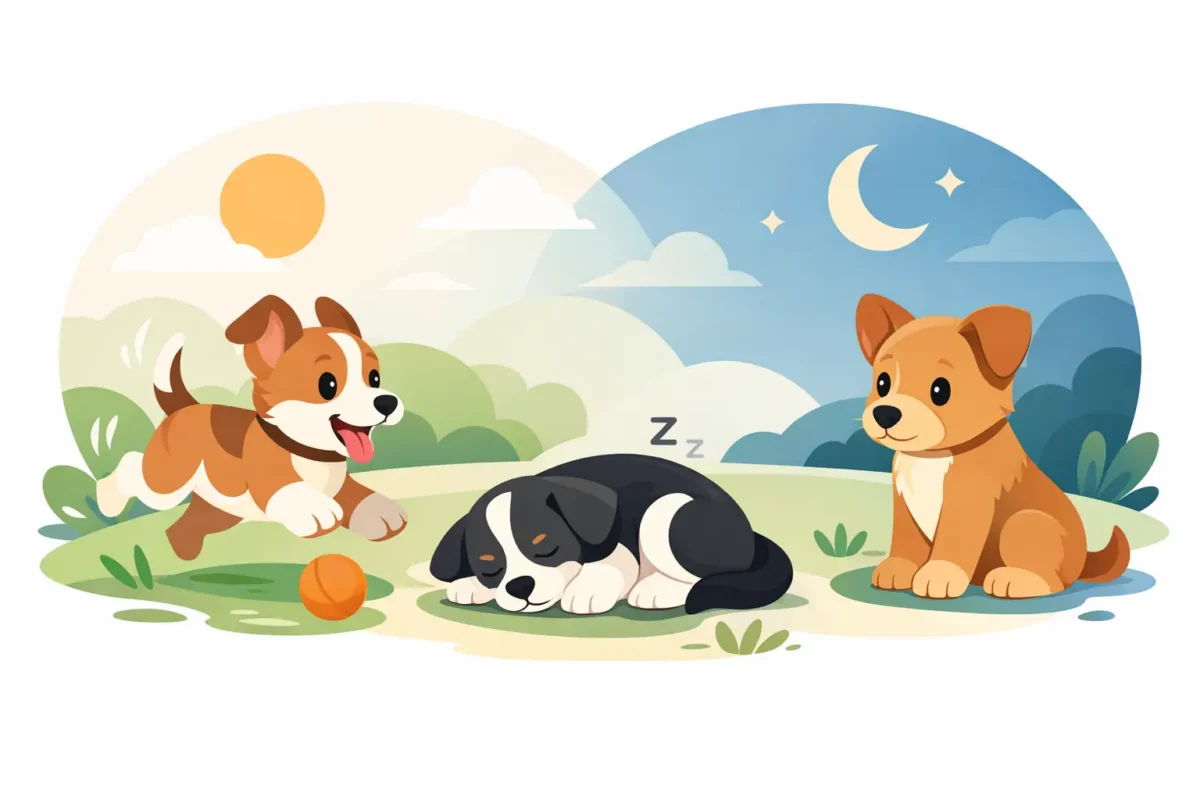
A litter can look remarkably consistent in photos, then behave like a group of completely different puppies in person. One puppy is first to investigate every sound, another waits to watch, and a third is happiest curled up beside a person. That is why puppies have different energy, even when they share the same parents, birthday, food, and early environment.
For families looking for a Toy or Mini Australian Shepherd, this difference matters. A puppy’s energy level affects daily routines, training style, noise tolerance, exercise needs, and how easily the dog settles in the home. Color, eye color, and size may catch attention first, but temperament and workable energy are what shape the next 12 to 15 years.
Why puppies have different energy levels
Energy is not one simple trait. A puppy may be physically busy but socially cautious. Another may have strong confidence and curiosity without needing nonstop activity. A third may be easygoing in the house but highly motivated during training. Good breeders look beyond whether a puppy is “hyper” or “calm” on a single day.
The biggest influences are genetics, individual temperament, maternal influence, early development, health, and the stage of growth the puppy is in. The home a puppy enters also changes what owners see. A naturally alert puppy in a quiet household may appear settled, while that same puppy in a busy home with young children, visitors, and constant stimulation may look much more active.
Toy and Mini Australian Shepherds are intelligent, responsive dogs. Even smaller Toy and Mini Aussies need training, structure, and appropriate activity. Smaller size does not erase breed instincts. However, responsible selection can make a meaningful difference in herding drive, off-switch, sensitivity, and the ability to live as a close companion rather than a full-time working dog.
Genetics set the starting point
Puppies from the same litter are full siblings, not copies. Each one receives a different combination of genes from its parents. That is why a well-planned litter can include a steady, people-focused puppy, a more observant puppy, and a more driven puppy without any of them being poorly bred.
Temperament has a genetic component. Confidence, responsiveness, activity level, recovery after a surprise, desire to engage with people, and intensity can all run through family lines. This is exactly why a pedigree by itself is not enough. Names on paper do not tell a buyer whether the dogs behind those names were sound-minded, healthy, manageable companions.
At Hughes Toys, more than 30 years of breed-specific personal experience and knowledge of multi-generation of ancestry, informs which dogs are retained for the breeding program. Multi-generation genetic testing, veterinary checks, and documented family history all matter. Just as important is firsthand knowledge of how those lines mature and live with people. Breeding toward calmer temperaments and
lower herding drive does not mean producing lifeless puppies. It means deliberately selecting dogs that can think, learn, play, and then settle and have certain desireable traits.
The same litter does not develop at the same speed
Puppies mature on individual schedules. At eight weeks, one may seem bold and coordinated while another is still processing new situations more carefully. A week or two later, their presentation can change again. This is one reason honest breeders do not make absolute promises from a brief observation.
Growth spurts, teething, sleep, and changes in confidence all affect activity. A puppy that played hard all morning may look quiet during a family visit that afternoon. Another may have just woken from a nap and appear to have unlimited energy. One short interaction should never be treated as a full temperament evaluation.
Young puppies also require a great deal of sleep, often far more than new owners expect. Overtired puppies can become mouthy, frantic, noisy, or unable to settle. That behavior is frequently mistaken for a puppy having “too much energy” when the real issue is an overstimulating schedule with too little rest.
Early care shapes how energy is expressed
Good early care does not replace genetics, but it gives puppies the right foundation. Clean facilities, biosecurity, proper nutrition, veterinary oversight, age-appropriate handling, and gradual exposure to normal household experiences all support healthy development.
A puppy raised with steady, sensible handling is more likely to recover well from new sights and sounds than one raised in a chaotic or neglected setting. That does not mean every puppy will react the same way. It means the breeder has reduced avoidable stress and given each puppy a fair opportunity to develop normally.
This is also where buyers need to be realistic. A puppy leaving a familiar litter and entering a new home is going through a major transition. The first few days may bring extra sleep, clinginess, vocalizing, reduced appetite, or bursts of activity. Those early adjustment behaviors are not a final verdict on temperament.
Drive, energy, and trainability are not identical
Many buyers say they want a low-energy Aussie. What they often mean is that they do not want a dog that paces, barks at everything, chases children, or demands hours of intense exercise every day. That is a reasonable concern, particularly for first-time Aussie owners or households in town.
But a companion dog still needs engagement. A puppy with moderate energy and strong trainability may be a better fit than a supposedly quiet puppy that is nervous, disengaged, or difficult to motivate. The goal is balance: a dog that enjoys walks, play, learning, and family life, then has the ability to relax indoors.
Herding behavior can also be confused with energy. Heel nipping, circling, chasing moving children, and fixation on motion are signs of instinct and impulse control needs, not simply extra fuel to burn. Exercise helps, but endless physical activity can create an athlete without teaching calm behavior. Training, routine, and appropriate mental work are what help a bright puppy learn to settle.
Matching matters more than choosing the busiest puppy
The right puppy for a runner, a rural property, and an experienced dog trainer may not be the right puppy for a
Portland apartment, a retired couple, or a family with small children. Neither choice is wrong. The mistake is choosing based only on a striking merle coat, blue eyes, or the puppy that puts on the best show.
A responsible breeder should ask direct questions about the household. Is someone home during the day? Are there children, cats, or older dogs? Does the family want hiking and training goals, or a smaller companion for neighborhood walks and close daily contact? How much experience do they have with a sensitive, intelligent breed?
Buyers should be equally direct. Do not claim to be highly active if the real plan is occasional weekend outings. Do not assume a small Aussie will entertain itself while everyone is gone for long workdays. Accurate information protects the puppy and prevents a poor placement.
Give the puppy a fair chance to settle
Even a carefully matched puppy needs clear expectations after coming home. Provide predictable meal times, frequent potty breaks, short training sessions, calm handling, safe chewing options, and enforced rest. Avoid making every waking hour an event.
A puppy that learns there are times for play and times for quiet will be easier to live with than one kept constantly stimulated. If behavior suddenly changes, especially if a puppy becomes unusually lethargic, distressed, painful, or unable to rest, contact a veterinarian rather than assuming it is a personality issue.
The best puppy is not necessarily the quietest one or the most energetic one. It is the puppy whose inherited traits, early care, and developing personality fit the real life you can provide. Choose with your household in mind, listen to experienced placement guidance, and give your new companion the structure needed to become the steady adult dog you hoped for.